Every innovation begins with an assumption. But what happens when that assumption is wrong, or market conditions change and the objective remains the same?
Pursuing the wrong technology—or the right technology for the wrong objective—can consume valuable time, resources, and opportunities.
Sport Material Technologies brings independent experience and objective engineering judgment to help companies ask the right questions before committing to the wrong answers.
Evaluate technology options based on complexity, cost, and consumer benefit. Narrow the choices, establish priorities, and identify the most promising path forward.
Determine the simplest, most cost-effective way to manufacture the product. Eliminate unnecessary complexity and redundancy, and define the minimum acceptable product.
Guide the transition from pilot production to full-scale manufacturing. Finalize product costs and work with sales and marketing to communicate the technology’s features and consumer benefits.
Tubular composite structures offer design possibilities beyond conventional solid and hollow constructions. By combining tubes with other materials, arranging them into complex frameworks, or integrating multiple tubes into a single structure, engineers can create innovative solutions for sporting goods and other lightweight products.
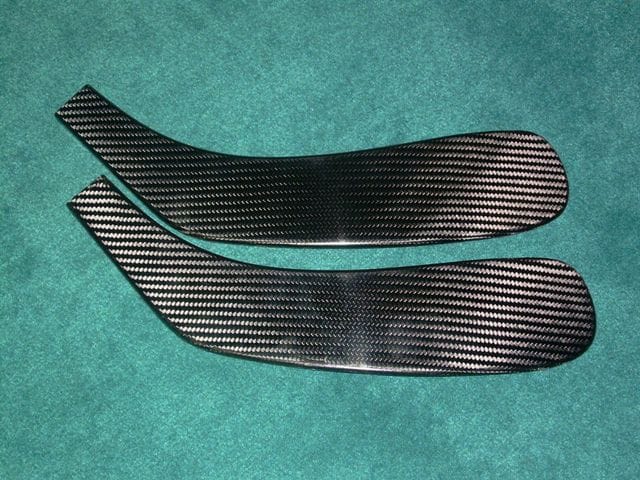
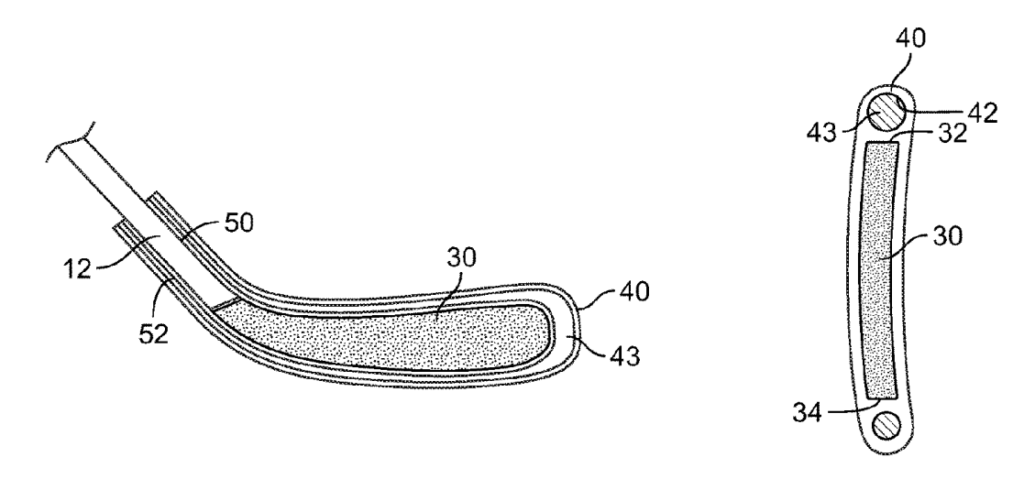
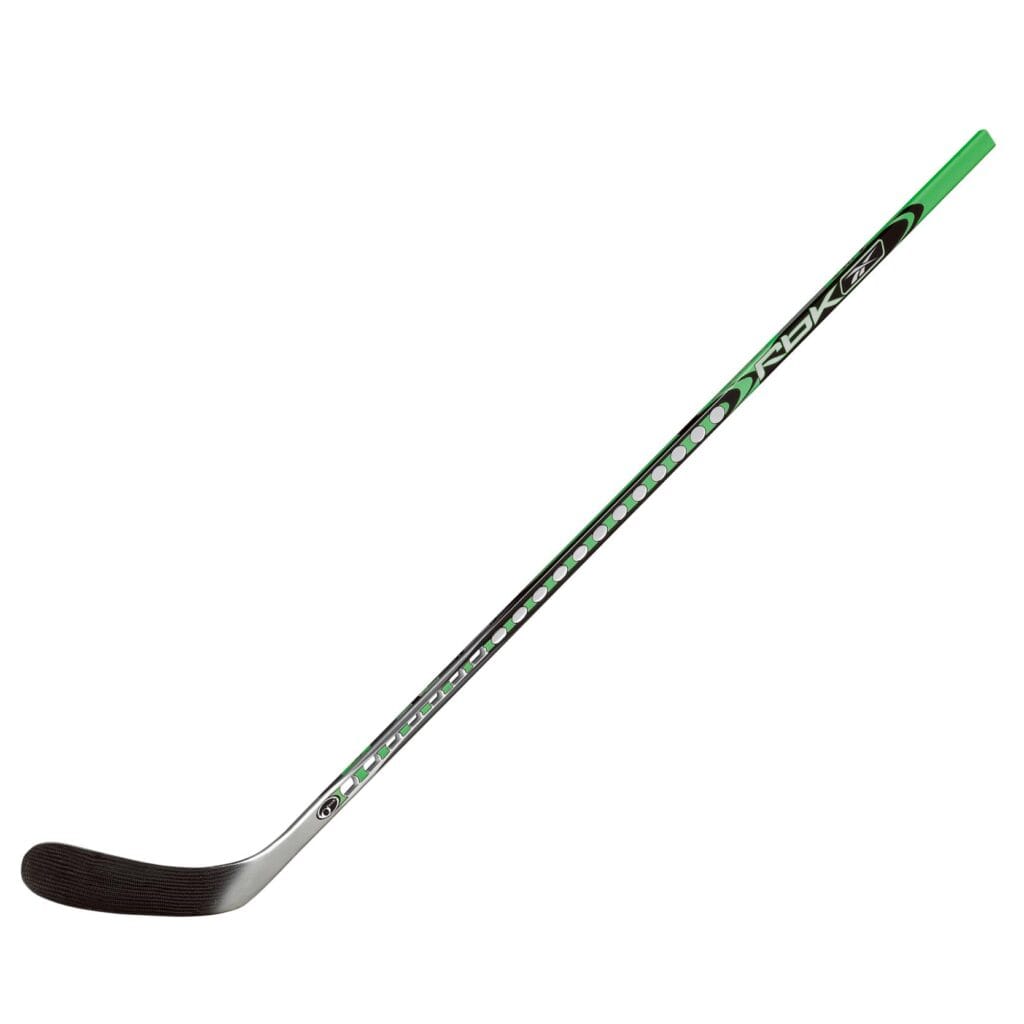
Tubular composite reinforcement integrated around the perimeter of a hockey blade, demonstrating how tubes can be combined with other materials to create a hybrid structure.
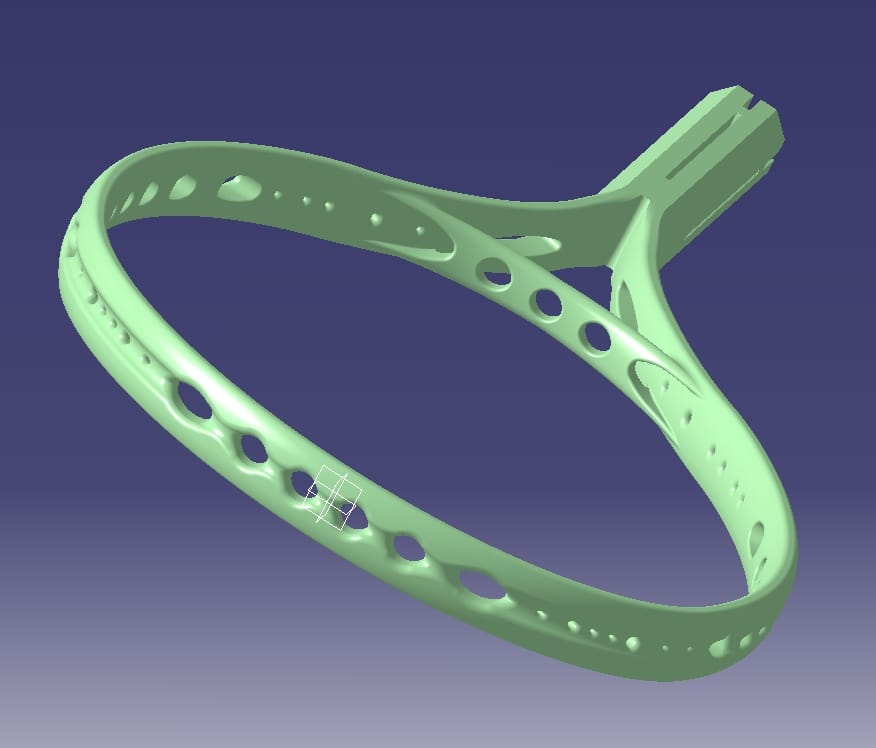
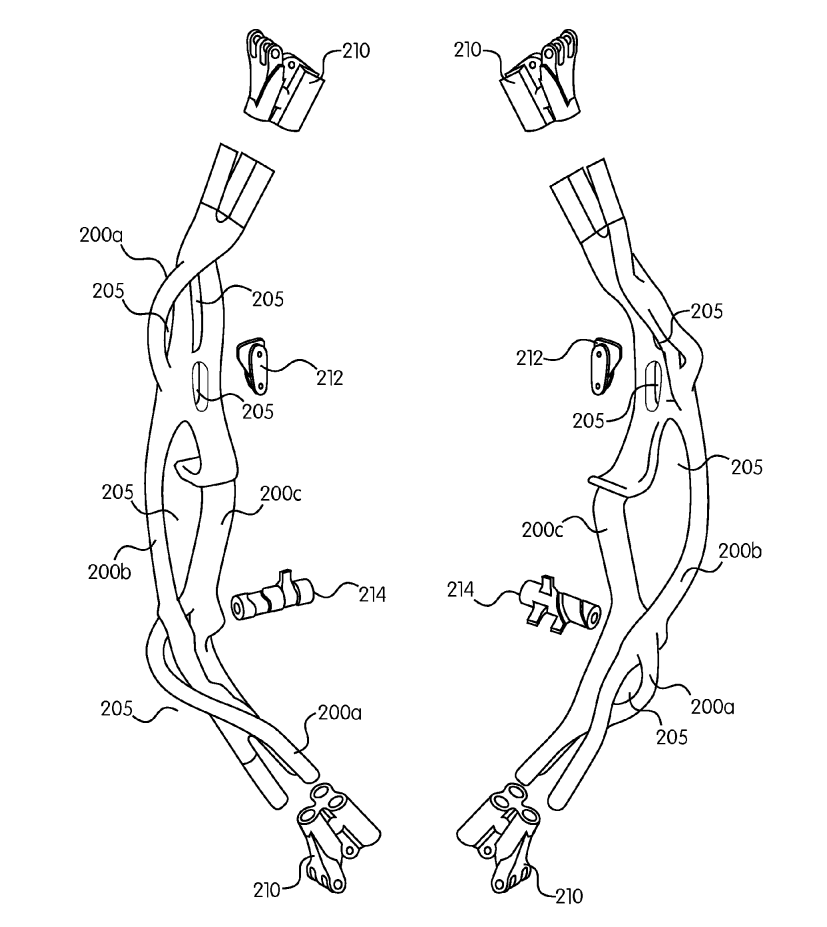
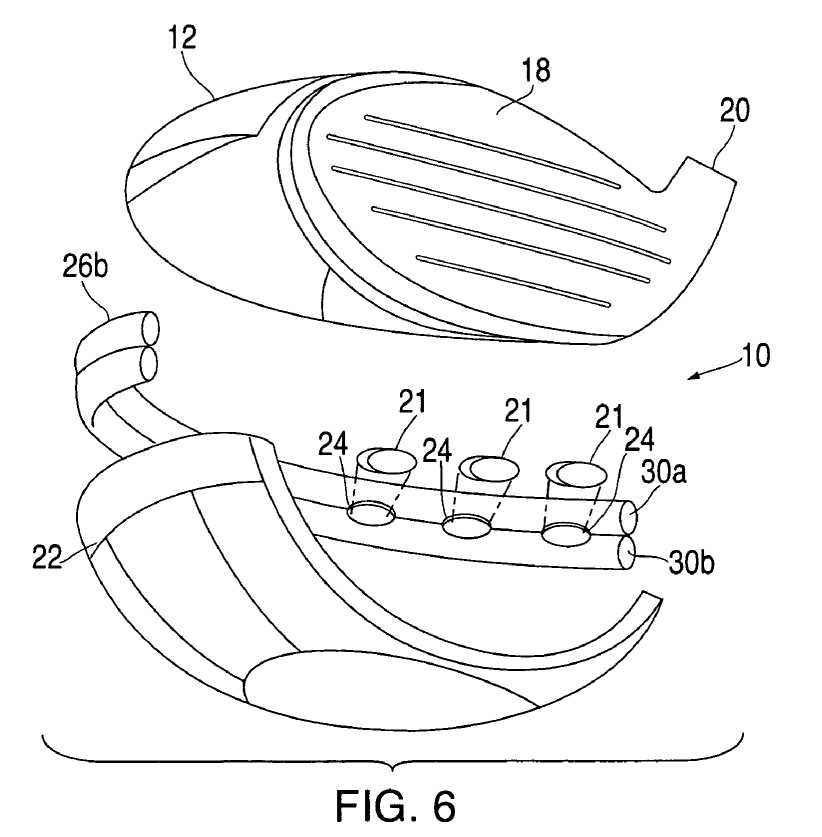
Shaped composite tubes arranged and connected to create a unique three-dimensional structure, demonstrating new possibilities for lightweight structural design.
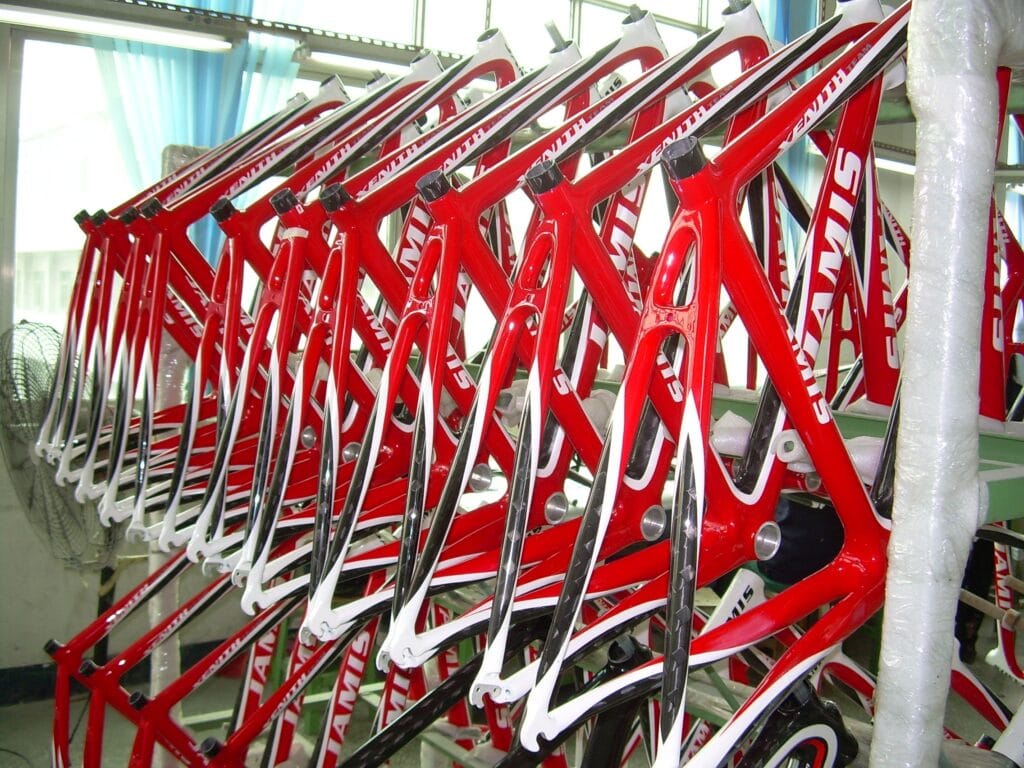
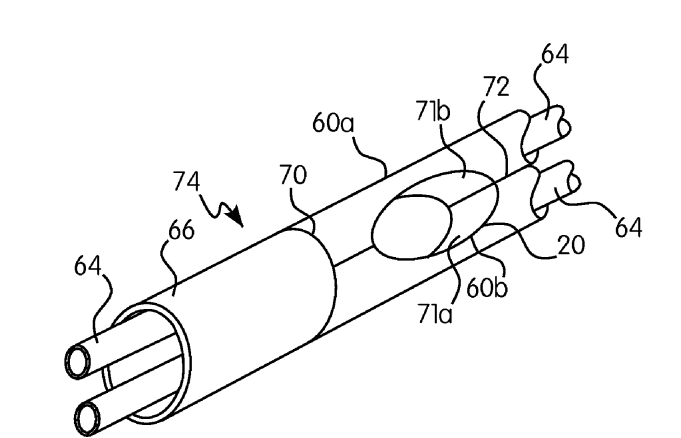
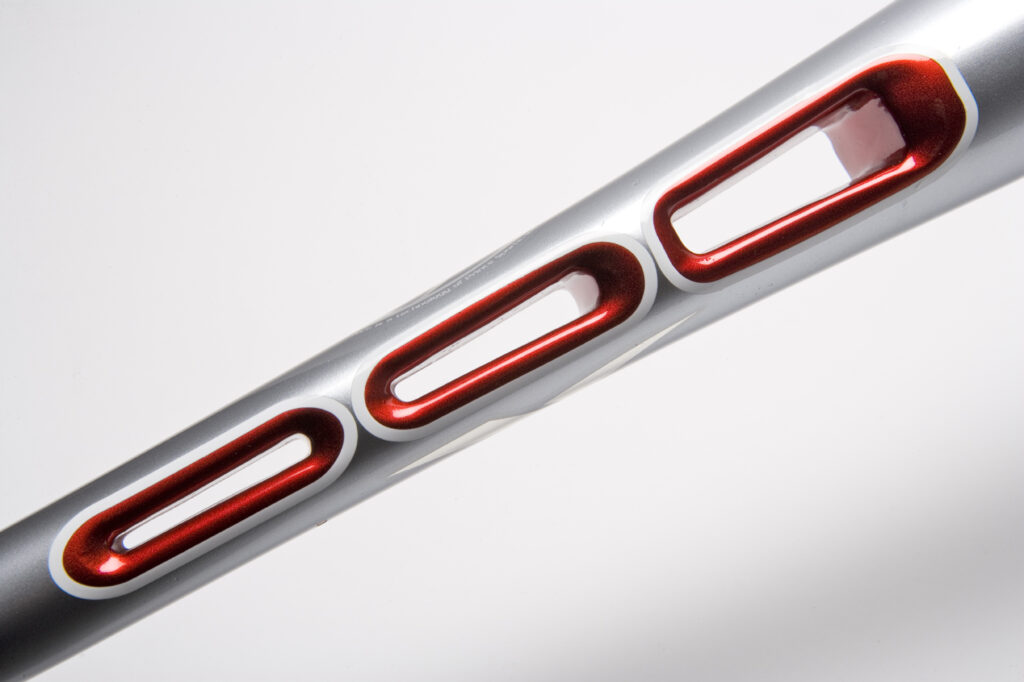
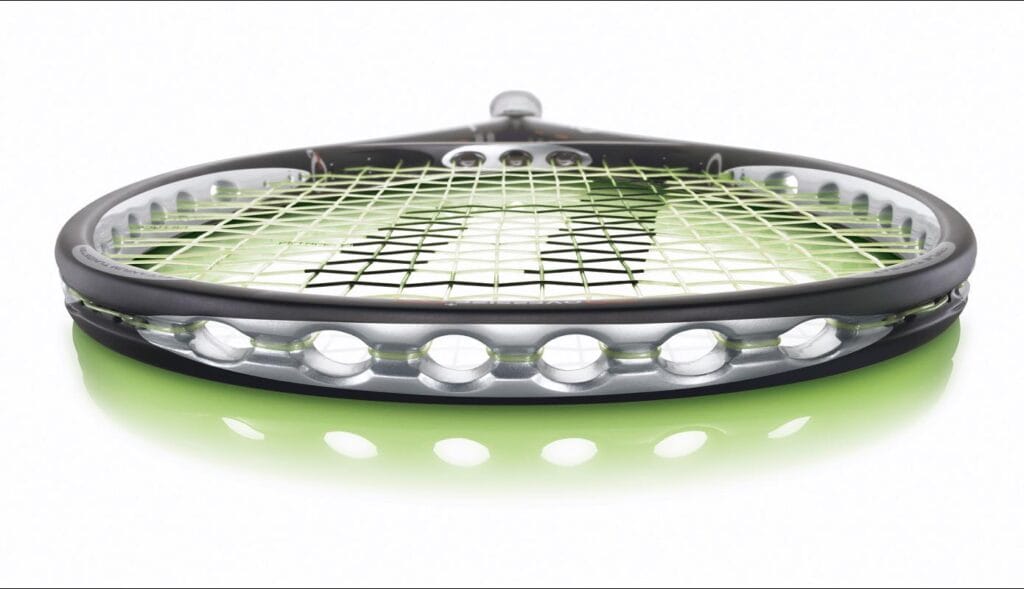
Two composite tubes joined into a larger tubular structure while forming a functional opening, demonstrating how tubular geometry can create new design possibilities.
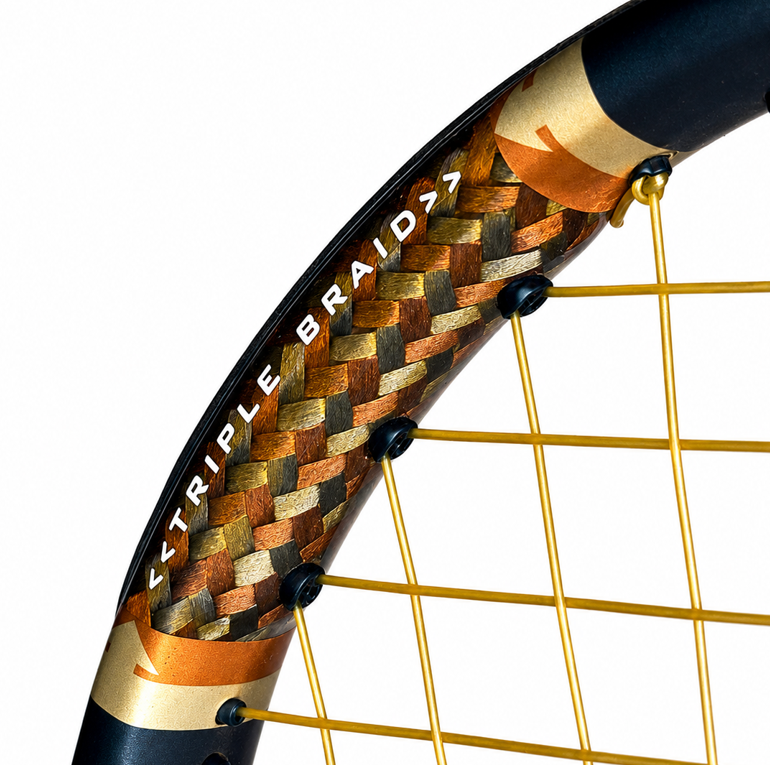
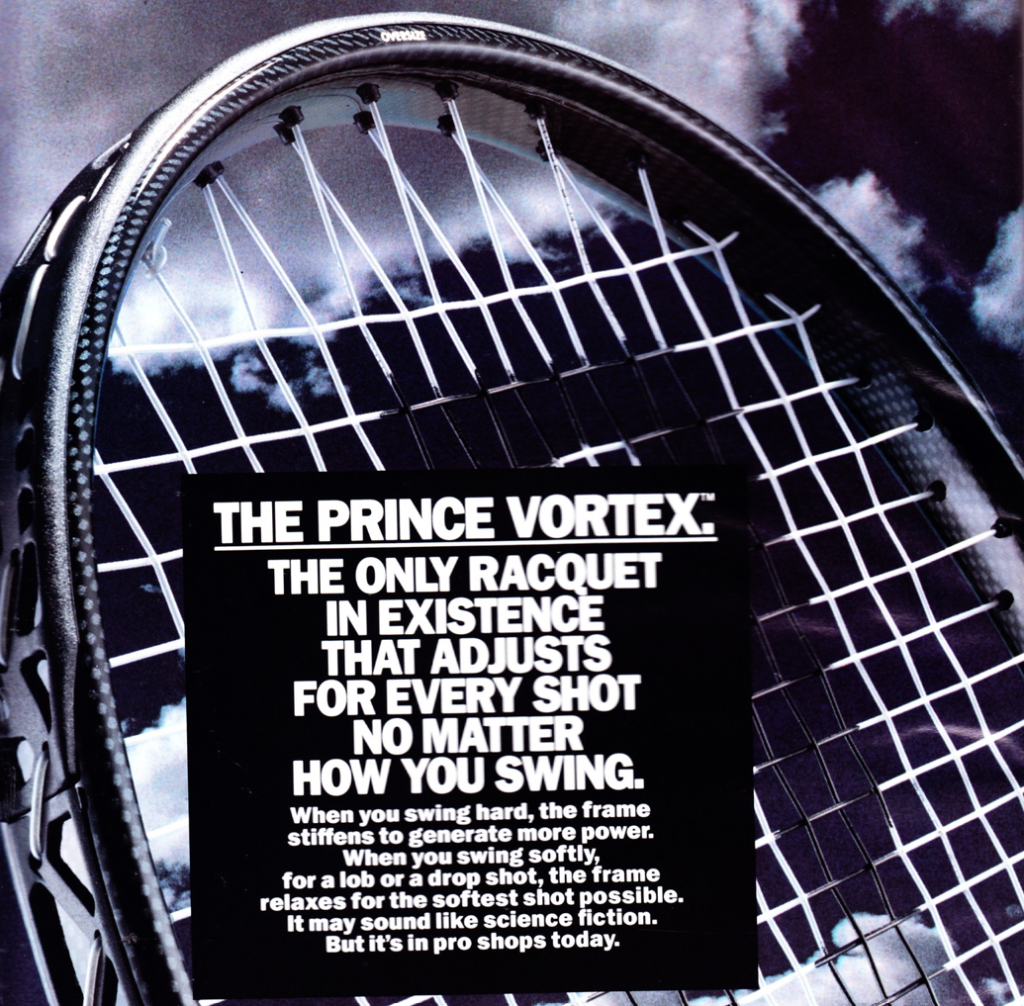
Experience gained at the forefront of the tennis racquet innovation era, when breakthrough technologies transformed products, markets, and the professional game. Not just advising on innovation, but making the decisions and delivering the products.
We’ve experienced the successes, failures, impossible deadlines, and costly assumptions that accompany ambitious innovation. That experience brings a realistic perspective that technical expertise alone cannot provide.
Decades of hands-on invention and intellectual property development provide a practical understanding of what makes technology valuable, protectable, manufacturable, and commercially worthwhile.
Principles learned from turning difficult engineering challenges into successful products.
A great product begins with a clearly defined objective—not innovation for its own sake.
Technology only matters when it solves a problem people actually care about.
Complexity creates cost, weight, and risk. Simplicity creates better products.
Solve the hardest problem early. Everything else becomes easier.
Are you developing the right product—or simply committed to the one you’ve started?
The best time to justify a product is before committing significant resources.
But even well-conceived projects can reach a point where assumptions need to be challenged, obstacles reconsidered, or market conditions reassessed.
SMT brings independent experience and engineering judgment to evaluate product concepts, challenge assumptions, identify critical risks, and determine whether to proceed, redirect, or reconsider.
Sometimes the most valuable innovation decision is knowing when to change direction.
Innovation can create value beyond the product itself. Recognizing that value—and understanding when and how to protect it—requires both technical experience and commercial judgment.
SMT has been there. We’ve fought the difficult battles of intellectual property protection in the highly competitive sporting goods industry. We’ve experienced both sides of patent disputes—enforcing intellectual property rights and defending against infringement claims.
That firsthand experience provides a perspective beyond technical expertise.
Identify potentially patentable innovations early, evaluate prior art and competing technologies, and provide technical support for invention disclosures, patent development, and IP protection.
Evaluate products, patents, and technologies to identify engineering strengths, competitive advantages, and risks before important business decisions.
Provide independent engineering analysis, technical opinions, patent support, and expert testimony involving sporting goods, advanced materials, and product development.
Behind every successful product is an engineering challenge that had to be overcome. These examples demonstrate how experience, innovation, and sound engineering judgment can turn difficult problems into commercially successful products.
Sweet Spot and Speed
How do you create a larger sweet spot and greater racquet speed when improving one traditionally compromises the other?
Multiple patents, millions of racquets sold, and one of the most recognized innovations in modern tennis equipment.
Power and Speed
How do you create a faster, more powerful hockey stick without sacrificing structural integrity, durability, or performance?
Multiple patents and a distinctive technology platform that delivered an unprecedented combination of power and speed while preserving structural integrity.
Lightweight, Quiet, and Accurate
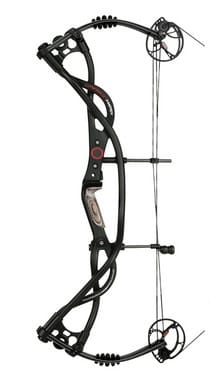
How do you create a lightweight bow riser that improves accuracy while reducing vibration and noise?
Patented Carbon Matrix technology established a new direction in compound bow riser design by combining lightweight construction with improved accuracy and reduced noise.
Alignment and Consistency
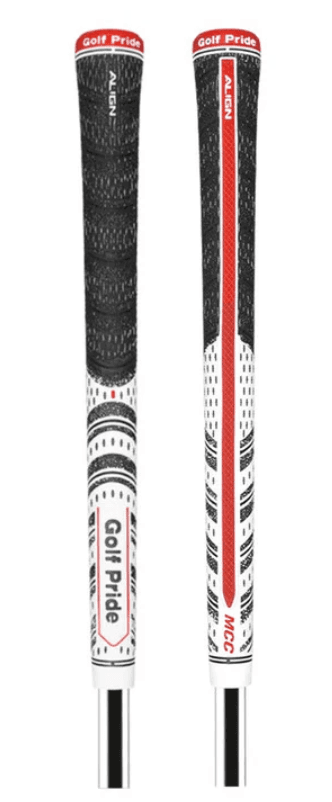
How do you create a more effective reminder rib that makes clubface alignment easier to feel and see?
Patented ALIGN® technology provides golfers with a more consistent hand position through improved tactile and visual alignment.
Light Weight and Precision
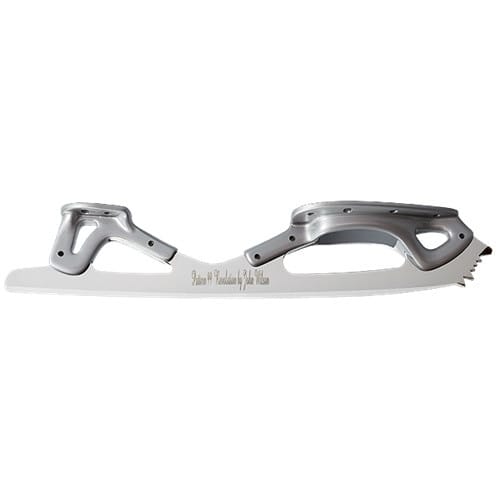
How do you reduce the weight and vibration of a figure skate frame without compromising the stiffness, precision, and structural integrity demanded by world-class skaters?
A patented carbon-fiber skate frame that helped world-class athletes achieve World Championship victories.
Before searching for better answers, make sure you’re asking the right question.
If you’re here, you’re probably facing an important engineering decision. Perhaps your team disagrees on the right direction. Your prototype may not be performing as expected. You may be considering a new product—or wondering whether an innovation you’ve already developed has greater value than you realize.
In situations like these, the first question is often more important than the first solution.
Throughout my career, one belief has remained constant:
There has to be a better way.
Over the past 30 years, I’ve learned that breakthrough innovation is the result of a clearly defined objective, disciplined engineering, and a willingness to challenge conventional thinking. Those same principles continue to guide every project at SPORT MATERIAL TECHNOLOGIES.

Stephen J. Davis holds a master’s degree in mechanical engineering specializing in composite materials and applies an objective-driven engineering process to help companies solve difficult product development challenges.
Years of Innovation
Issued Patents
Product Categories
New products and meaningful improvements to existing products.
Better engineering decisions before expensive mistakes are made.
Recognize valuable innovations early, evaluate opportunities for protection, and understand the competitive landscape.
Objective engineering analysis when independent judgment matters.
Good ideas deserve a chance—even when development budgets are limited.
As an entrepreneur, I understand the financial challenges of bringing a new product to market. For selected opportunities, SMT may provide engineering and development services without upfront fees in exchange for royalties on future product sales.
We’ve successfully used this approach with the Functional Tennis Saber and have applied similar principles in our O Tech licensing business.
We share the risk because we believe in sharing the success.
Every successful project begins with a conversation—not a proposal.
Whether you’re developing a new product, evaluating an existing design, exploring an innovative concept, or wondering whether an idea may be worth protecting, I’d welcome the opportunity to discuss your challenge.